Cheap Wine Tours And Tasting Days Around Traverse City
A genuinely good wine day around Traverse City does not have to be expensive. Here is what each stop costs at the bar, what is free, and the arithmetic that decides whether to book a tour or drive yourself.
Short answer
Tastings run $5 to $10 per winery on Old Mission and $5 to $15 on Leelanau, paid at the bar. A four-stop self-driven day costs roughly $20 to $40 per person in fees alone. Booked tours start at $69 with samples and a bottle included, so past three stops a tour can be the cheaper route.
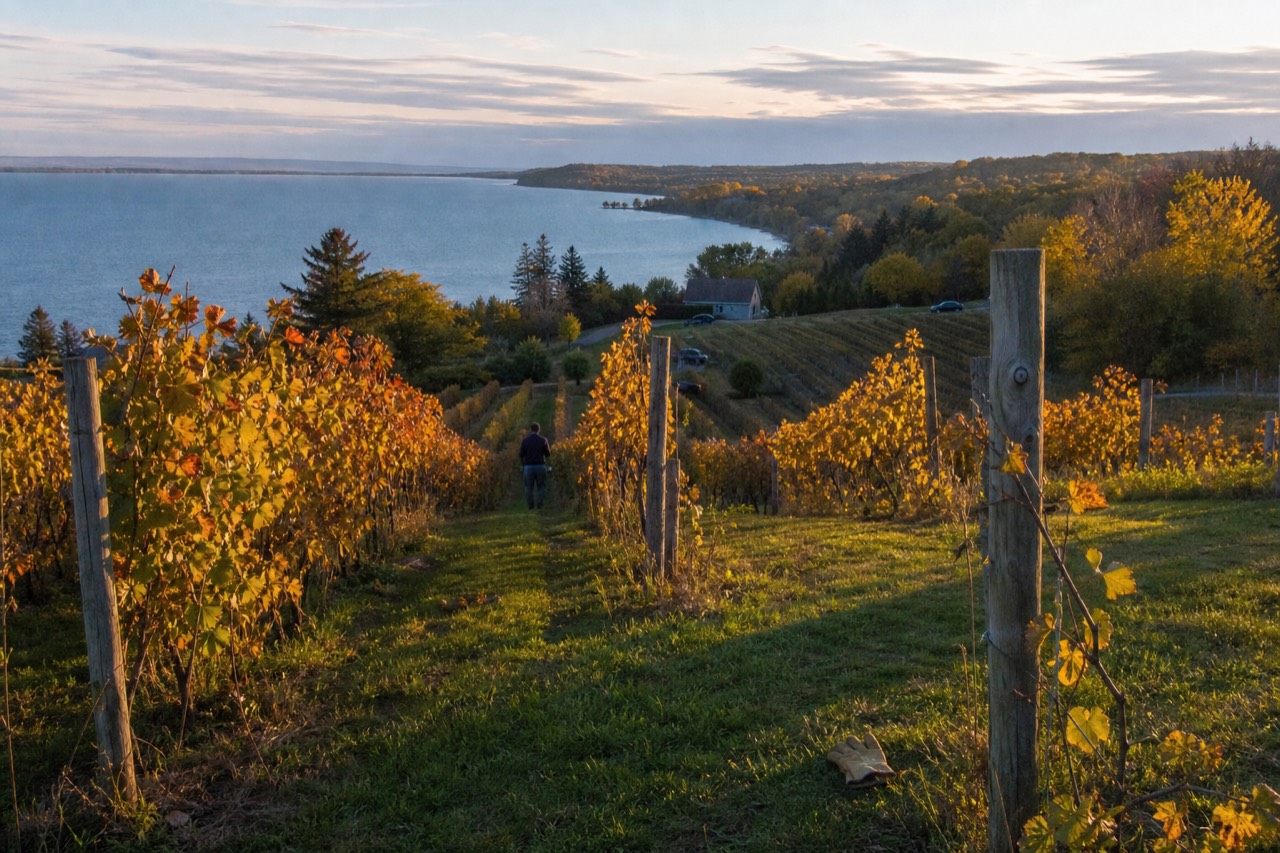
Traverse City sits between two wine peninsulas, and the cheapest way to see them is not always what people assume. The Old Mission Peninsula runs about 19 miles north from town and is never more than three miles wide, which means the drive itself, past cherry orchards and both arms of Grand Traverse Bay, costs nothing but fuel. The tasting rooms along it publish their prices, and those prices are low by any wine region's standard: $5 to $10 per tasting on Old Mission, $5 to $15 on Leelanau, per the operators' own listings.
This guide costs the day out to the dollar. It lists the published per-winery prices, the free things to do between stops, the bus option almost nobody writes about, and the point at which a booked tour at $69 actually undercuts paying at the bar yourself. One honest note up front: there is no free walking wine tour in Traverse City. The walking-tour platforms have zero coverage here, so anyone promising one is guessing. What exists instead is a genuinely cheap self-guided day, and the arithmetic below shows when booking beats it.
What Does A Tasting Actually Cost At Each Winery?
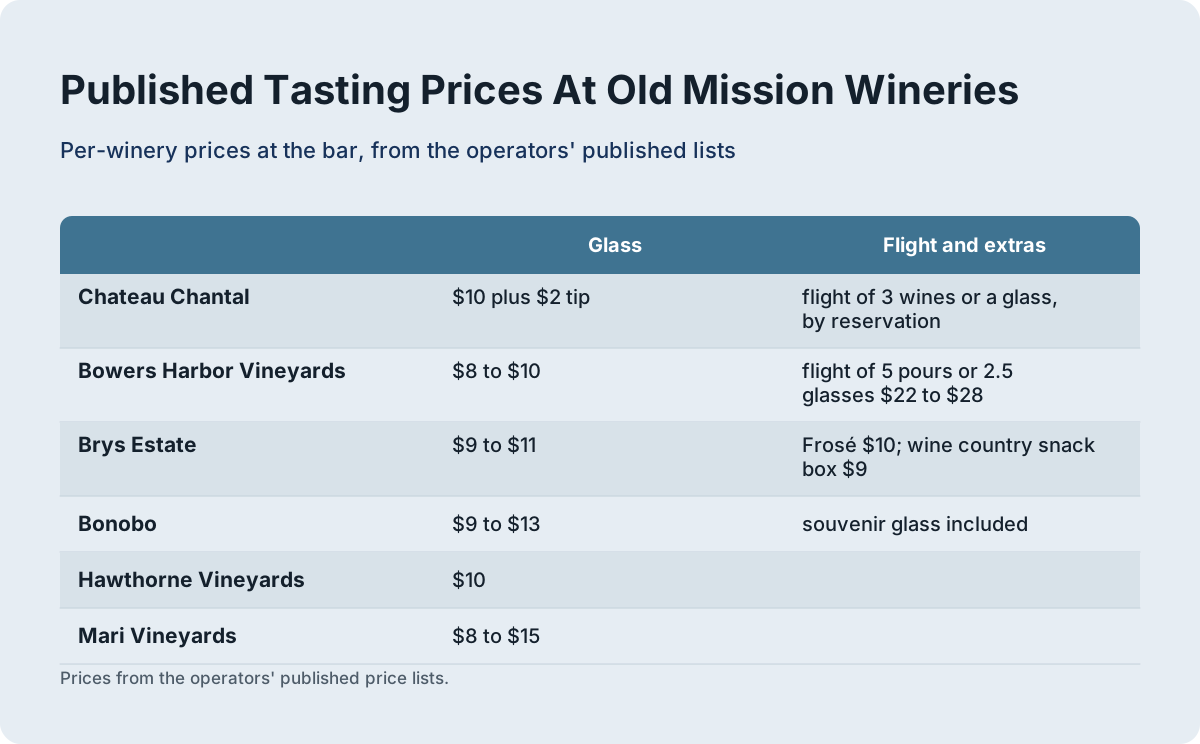
The published prices run from $8 to $15 for a glass and $22 to $28 for a full flight at the top end, with the operator's own per-stop estimate at $5 to $10 on Old Mission and $5 to $15 on Leelanau. Those are the numbers to budget against, and they come straight from the operators' own published price lists rather than from rumor or guesswork. The shuttle operator that runs the scheduled Old Mission and Leelanau loops publishes a per-winery list on its own listing, and it is the sharpest budgeting tool available for this region, because no one else publishes it.
| Winery | Published price at the bar |
|---|---|
| Chateau Chantal | $10 plus $2 tip, flight of 3 wines or a glass, by reservation |
| Bowers Harbor Vineyards | Glass $8 to $10; flight of 5 pours or 2.5 glasses $22 to $28 |
| Brys Estate | Glass $9 to $11; Frosé $10; wine country snack box $9 |
| Bonobo | Glass $9 to $13, souvenir glass included |
| Hawthorne Vineyards | Glass $10 |
| Mari Vineyards | Glass $8 to $15 |
Two things jump out of that table. First, a single glass at most Old Mission rooms sits near $10, so a two-stop afternoon of one glass each is a $20 day before food. Second, the flight prices are where costs climb: a Bowers Harbor flight at $22 to $28 is more than three standard tastings elsewhere. If you are budgeting hard, order by the glass or the small tasting rather than the flight, and check whether the room waives the fee with a bottle purchase, a common arrangement you should confirm at the bar rather than assume.
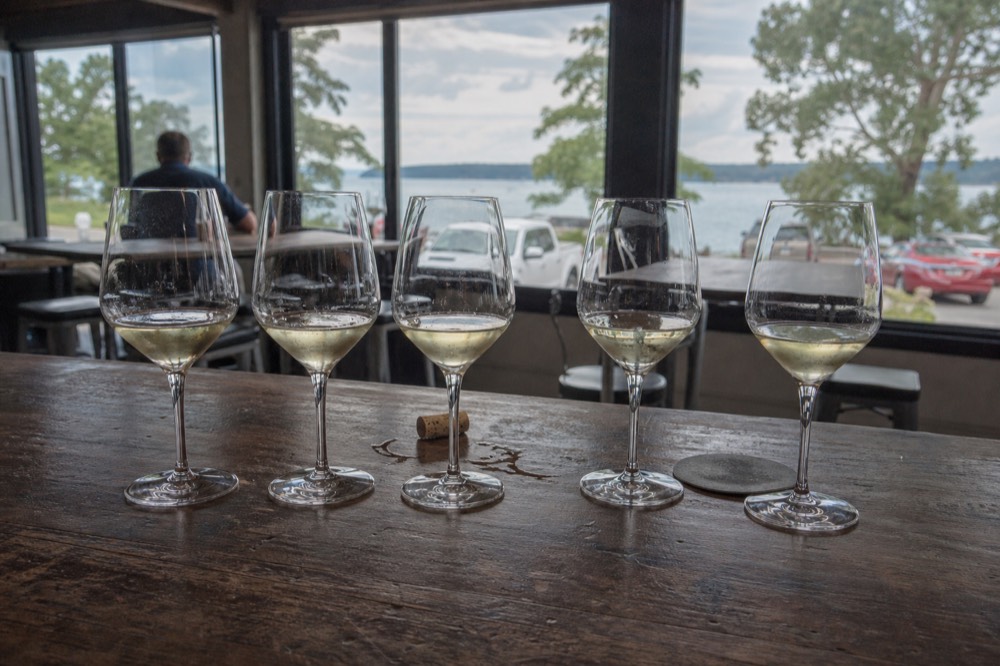
The fee-inclusion question matters just as much as the fee size. On shuttle-bus tours, the ticket covers transport only and every pour is paid at the winery. On the SUV tours run by Movie Stars Wine Tours, samples plus a complimentary bottle are already in the fare, and only flights and food cost extra. That distinction, not the headline ticket price, is what determines your real per-person cost, and it is laid out fully in the wine tour prices guide.
When Does A Booked Tour Become Cheaper Than Driving Yourself?
At three or more stops, the $69 tours with samples included can undercut a self-driven pay-at-the-bar day, because $69 covers four wineries' samples plus a take-home bottle, while three stops at the bar runs $15 to $45 in fees before you count gas or a sober driver. That is the honest arithmetic, and it is worth walking through rather than asserting. The comparison only works because the two cheapest tour formats include tastings in the fare; the shuttle-bus tours at $79 do not, and those stay more expensive than driving unless you value the not-driving itself.
| Cost line | Self-driven day, 4 stops | Booked SUV tour, 4 stops |
|---|---|---|
| Ticket | $0 | From $69 per person |
| Tastings | $20 to $40 at the bar | Included as samples |
| Take-home bottle | $10 to $20 if you want one | Included |
| Fuel, both peninsulas | Varies with route | $0 |
| Driver's tasting | Add a full set of fees | Driver does not drink |
| Flights and food | Extra at each stop | Extra at each stop |
Read the middle rows carefully. A self-driven day looks free until you count four tasting fees, and it looks cheap until you remember that someone in your group has to skip the wine or arrange a sober ride home. Michigan's open-container law, MCL 257.624a, bans open alcohol in a passenger area, with an exception only for passengers in a chartered vehicle authorized by the state transportation department. A hired designated driver in your own car cannot rely on that exception, which is a real legal difference between the chartered products and the drive-yourself plan, and it is explained in plain terms in the wine tour transport guide.
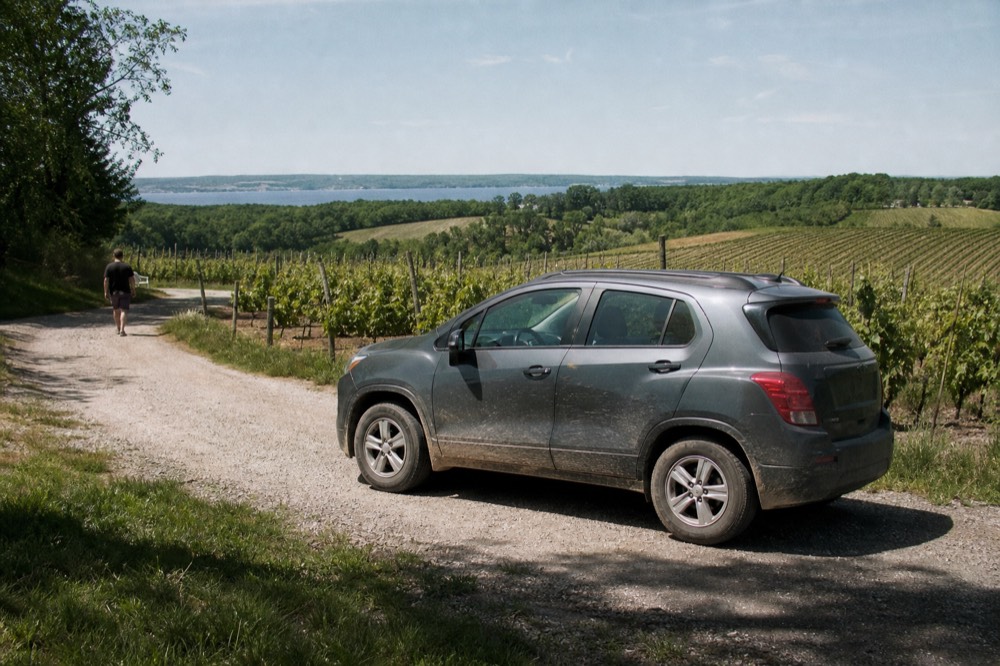
The cheapest Leelanau option on the roster makes the point concretely. The non-bus Leelanau tour run by Movie Stars Wine Tours runs four and a half hours from $69 per person, with samples and a complimentary bottle in the ticket and only flights and food extra. It is a newer listing, so check the live listing for current availability rather than assuming a seat.
On Old Mission the equivalent arithmetic holds. The five-hour shuttle tour from The Magic Shuttle Bus is from $79 per person but tastings are extra, so budget $5 to $10 per stop on top; the four-winery SUV tour from Movie Stars is from $69 with samples in the fare. Depending on how many stops you actually pour at, the two formats can land within a few dollars of each other, which is why counting stops before booking saves real money.
What Is Free In Traverse City Wine Country?
The peninsulas themselves are the free attraction: public beaches on both bays, the TART trail network out of town, the self-guided drives along M-37 and M-22, and the cherry orchards that line the roads between wineries all cost nothing at all to enjoy. The Old Mission drive runs 19 miles to the lighthouse at Old Mission Point on a single spine road, Center Road, with bay water visible almost the whole way. On Leelanau, M-22 is the famous one, hugging the Lake Michigan shore through Suttons Bay, Leland and Glen Arbor. You can spend an entire excellent day here without entering a tasting room, and plenty of visitors do exactly that in October when the color peaks.
| Area | Free thing | Why it is worth it |
|---|---|---|
| Old Mission | Drive M-37 to Mission Point Lighthouse | 19-mile spine road, bay views both sides, orchards along the way |
| Old Mission | Public beaches on East and West Grand Traverse Bay | Free access points down the peninsula |
| Traverse City | TART trail network | Paved trails out of downtown toward the bays |
| Leelanau | M-22 scenic drive | Lake Michigan shoreline through the harbor towns |
| Leelanau | Suttons Bay and Leland walks | Working waterfronts, no ticket required |
| Downtown | Clinch Park and the bayfront | Beach and water right off Front Street |
The TART trail deserves a specific mention for budget travelers, because it converts a car-free day from impossible to pleasant. The network of paved trails runs out of downtown Traverse City, and the regional transit authority, BATA, publishes its own guide to reaching wineries and beaches by bus, which you can read at BATA's winery-by-bus guide. The bus will not deliver you to a tasting-room door the way a tour will, but for a beach-and-town day it works, and it costs a fraction of any other option. More detail on all the ways to get around, including the designated-driver services, is in the self-guided wine tour guide.
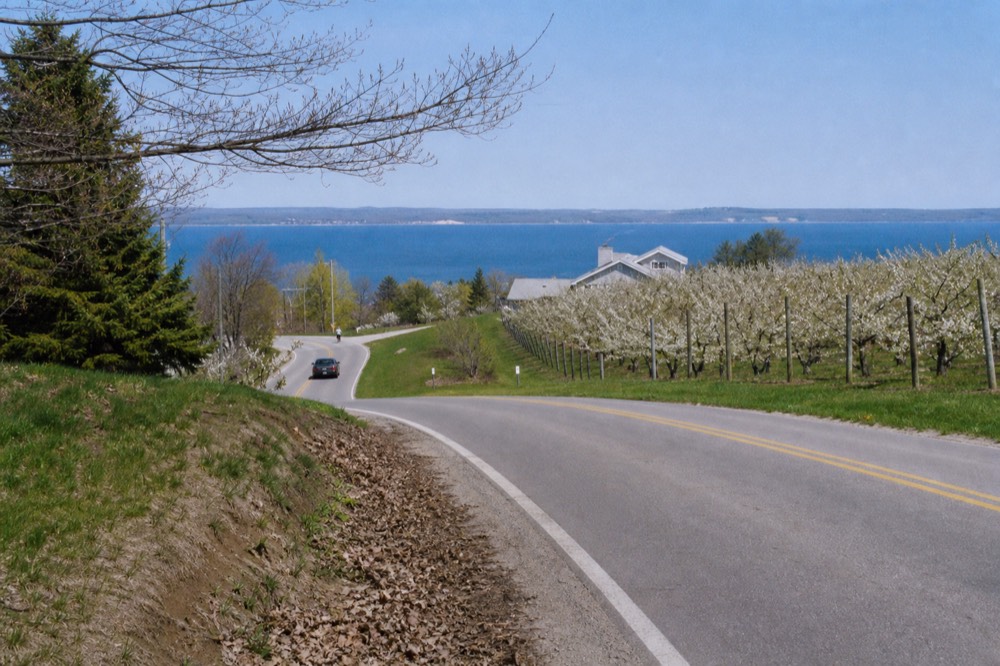
One structural fact keeps the free day honest: Old Mission is never more than three miles wide, so the water is always close and you are never far from a place to stop. Leelanau is bigger, all of Leelanau County minus its offshore islands under the AVA boundary, so plan a route rather than wandering. The wine country map guide lays out the geography, and the Old Mission versus Leelanau comparison covers which peninsula suits a tighter budget, since Old Mission's ten trail wineries sit closer together than Leelanau's 23.
Are There Low-Cost Wine Events Worth Timing A Trip Around?
Yes, and they are the best value in the region: the Leelanau Peninsula Wine Trail ran its LP Harvest Club through September 2026 at $75 per person, covering a complimentary flight, tasting or glass at each participating winery plus 15 percent off bottles, which beats paying per stop at every single price point. The trail's own events page lists the details at lpwines.com/events. One month, many wineries, one flat price: if your dates line up with a trail event, that is the budget play.
| Event | Window | Cost angle |
|---|---|---|
| LP Harvest Club (Leelanau trail) | Ran 1 to 30 September 2026, Saturdays excluded | $75 flat, flights or glasses included at each stop, 15 percent off bottles |
| Toast the Season (Leelanau trail) | Two weekends in November 2026 | Ticketed pours and food pairings across participating wineries |
| Winter events, Old Mission | Ice wine festival held in late January | Ice wine is a winter harvest here, picked frozen from late December into January |
Toast the Season ran over 6 to 8 and 13 to 15 November 2026, Friday through Sunday, with small pours, food pairings and cork cash at participating wineries, again per the trail's own events page. The Old Mission side runs winter programming too, including a late-January ice wine festival, and ice wine is genuinely made here: grapes stay on the vine and are picked frozen. Neither trail publishes every event's dates far ahead, so read the trails' own pages before planning around one. The winter wine tasting guide covers the cold-season options in full.
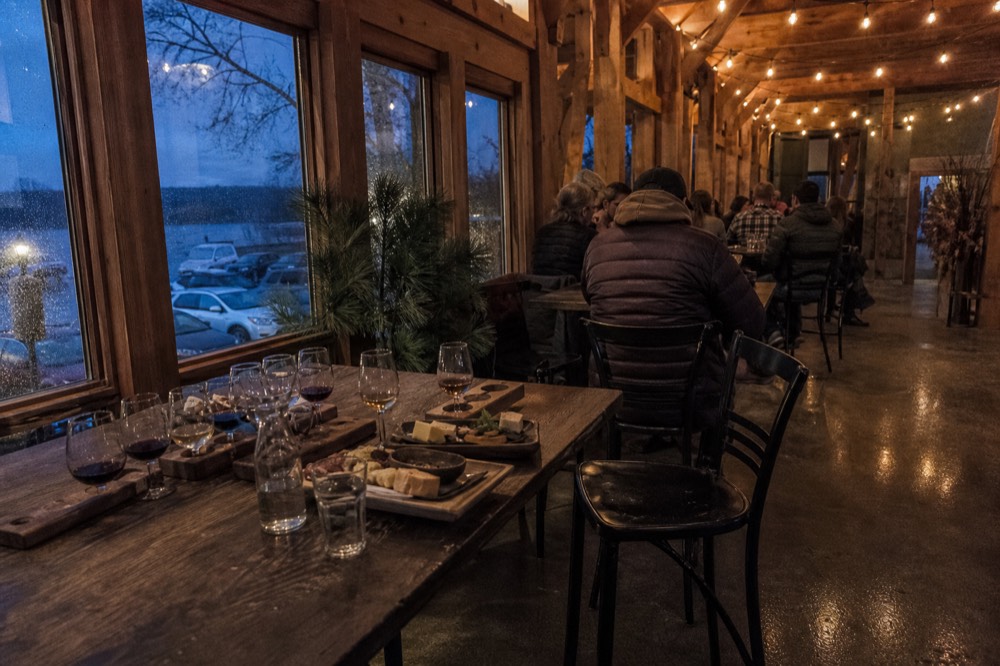
The Old Mission trail has also run a winter wine pass covering complimentary flights at its ten wineries, but the trail's page carries no publication date on the terms, so treat the pass as something to verify on the trail's own site rather than a promise. The trail's map of its ten wineries is at ompwinetrail.com. The honest budget advice for events is simple: the flat-price trail programs are the only way to taste at many rooms for less than the per-stop fees, and everything else should be costed stop by stop.
How Do You Build A Cheap Day, Hour By Hour?
A realistic budget day pairs one or two paid tastings with the free spine of a peninsula: drive or bus out in the morning, take one tasting around midday, a second in the afternoon, and let the beaches, lighthouse and orchard roads fill the rest of the day. The sample below costs a two-stop Old Mission day for one person, using the published bar prices, and it comes in under $30 before fuel and food. Add a third stop and the total approaches the $69 tour fare, which is exactly the crossover the arithmetic earlier in this guide describes.
| Time | Activity | Cost |
|---|---|---|
| Morning | Drive M-37 north, stop at a public beach | Free |
| Midday | One tasting or glass, Old Mission room | $8 to $15 |
| Early afternoon | Mission Point Lighthouse and the point | Free |
| Late afternoon | Second tasting on the drive back | $8 to $15 |
| Evening | Downtown bayfront, Clinch Park | Free |
| Total | One person, two stops | Roughly $16 to $30 plus fuel |
Food is the line item that quietly wrecks budgets here, because the snack boxes and small plates at wineries run $9 and up. The cheaper move is to eat in town before you drive out, or to build a food stop into a day that includes downtown, which is what the wineries with food guide covers from the other direction. Note one honest caveat from the current scene: Black Star Farms' bistro on Leelanau now runs as an event venue and pop-up rather than a walk-in restaurant, so do not budget a casual dinner there without checking its schedule first.
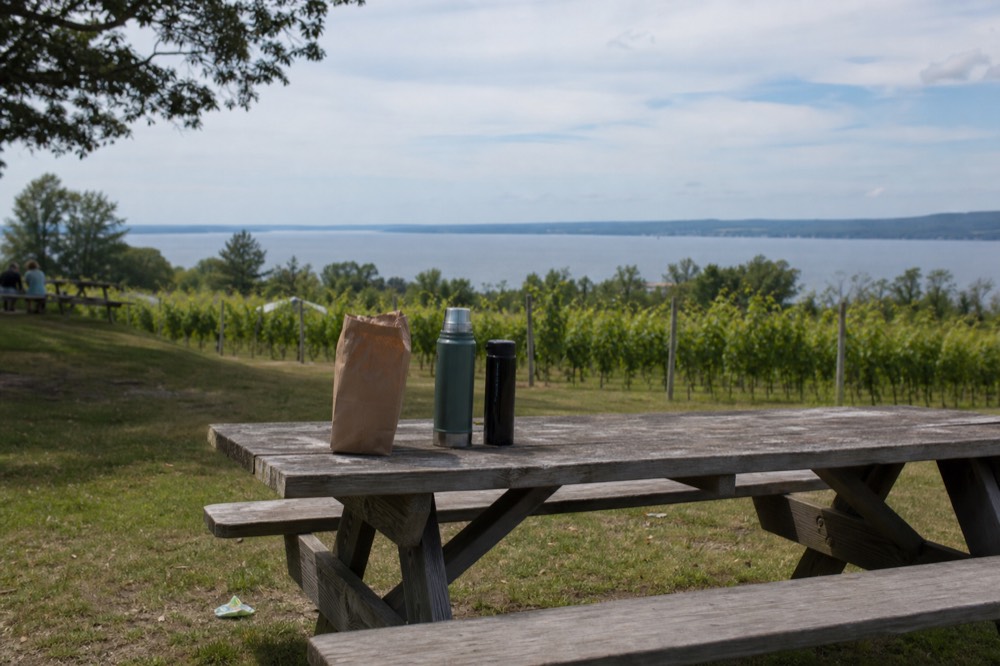
Timing changes the whole cost picture, too. Tasting rooms are busiest in October when harvest and fall color overlap, and the region's color typically peaks between early and mid October, with the peninsulas holding their color later than inland areas because the bay moderates the air. A September or early-November visit means easier reservations and less pressure to book anything at all. The trade-offs by season are laid out in the best time for wine tasting guide.
Is The Cheapest Tour Still A Good Tour?
The $69 tier is not a stripped-down product here: the non-bus tours at that price run four to four and a half hours in an air-conditioned SUV, hit four wineries, and include samples plus a complimentary bottle, with pickup listed on several of them. That is the same vehicle class and roughly the same itinerary as tours priced far higher in better-known regions. The budget question in Traverse City is rarely whether the cheap tour is good; it is whether the cheap tour is cheaper than your alternatives, and as shown above, past three stops it often is.
The Old Mission SUV version is the direct comparison point. It runs four to five hours, semi-private with up to 24 guests, from $69 per person, rated 5 across 542 reviews, with pickup included. Samples and the bottle are in the fare; flights and food are extra. Against a self-driven four-stop day at $20 to $40 in bar fees plus fuel, it wins on cost once you count the bottle, and it wins on safety every time, because nobody in your party has to stay sober and drive.
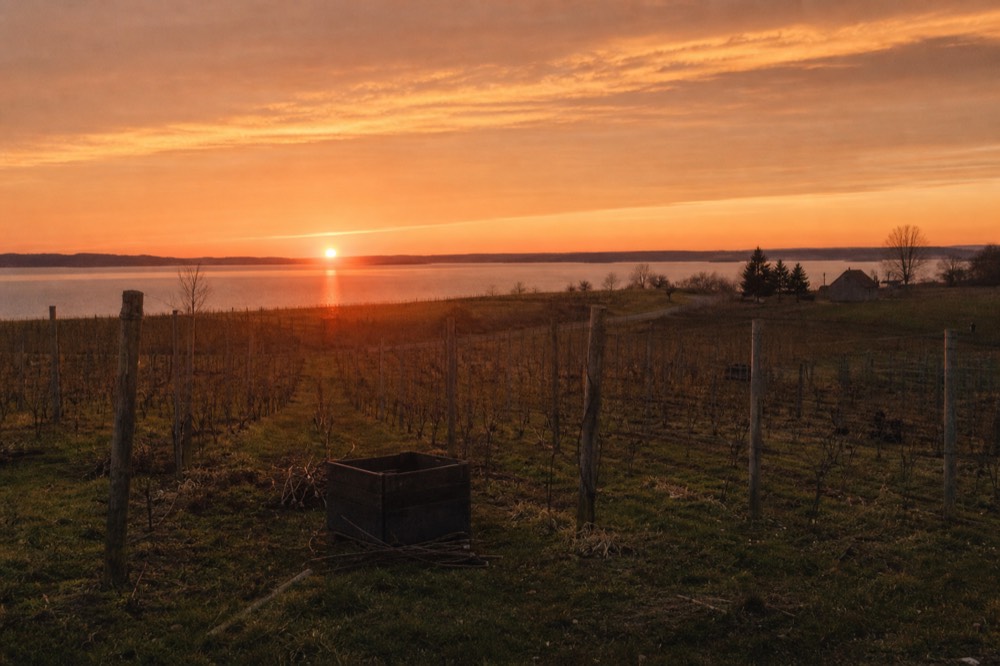
There is also a genuinely low-cost evening option worth knowing about. The sunset version of the Old Mission shuttle loop runs four hours, three wineries, from $74 per person, rated 4.9 across 261 reviews, with tasting fees of about $5 to $10 per stop paid at the bar. It costs more than the SUV tours once you add fees, but it is the cheapest way to see the peninsula at sunset without driving, and the sunset format is covered in detail in the sunset wine tours guide.
For groups, the arithmetic flips differently. A private driver in your own car runs from $369 for the whole group for five hours, and the private shuttle for up to 14 runs from $699.99 per group. Split four or more ways, the per-person cost of the driver option lands near the tour tier, and the bachelorette and group tours guide works through those splits. The budget answer for a couple is almost never the private tier; for a group of eight it sometimes is.
What Should You Not Spend Money On Here?
Skip the flights at the expensive rooms, skip buying bottles you can get cheaper at home, and skip any paid activity that duplicates what the peninsulas give away for free, which is the scenery, the water and the orchard roads themselves. The flight at Bowers Harbor, at $22 to $28, costs more than three standard tastings elsewhere on the same peninsula. Souvenir glasses are nice but they are baked into some pours already, as at Bonobo. And the biggest waste of all is paying for transport you do not need: if you are happy driving one peninsula with a designated driver in your group, a booked tour is a luxury, not a saving.
One more honest note on the free tier. There is no free walking tour of Traverse City, and no urban walking wine trail downtown either; the tasting rooms with real vineyard settings sit on the peninsulas, a drive out of town. Anyone who tells you otherwise is extrapolating from bigger cities. What the budget traveler actually has here is unusually good free geography, unusually low published tasting prices, and a $69 tour tier that includes the samples. That combination, more than any discount or hack, is what makes Traverse City one of the cheaper wine regions in the country to visit well. The full picture of what is poured where is in the best wineries in Traverse City guide.
For everything this site publishes about the region, start with Traverse City Wine Tours and work outward from there. The budget conclusion, stated plainly: cost your stops before you book anything, use the published bar prices above, and let the three-stop crossover make the decision for you.
The short answers: tastings run $5 to $15 per stop, the cheapest tours start at $69 with samples included, there is no free walking tour, and the tour-versus-drive decision turns on how many stops you plan to pour at. The details below take each question in turn, using the same published figures the rest of this guide relies on, so you can cost your day without rereading the whole article.
Common Questions About Cheap Winery Tours In Traverse City
How much does a wine tasting cost in Traverse City?
Published tasting prices run $5 to $10 per tasting on Old Mission and $5 to $15 on Leelanau, per the operators' own listings. Individual glasses run $8 to $15 at named Old Mission rooms, with flights at the top end around $22 to $28.
Is there a free walking wine tour in Traverse City?
No. The walking-tour platforms have no coverage here, and the vineyard tasting rooms sit on the peninsulas outside downtown. The free options are the scenic drives, public beaches and trails, not a guided walk.
What is the cheapest wine tour in Traverse City?
The non-bus SUV tours start at $69 per person with samples and a complimentary bottle included. The shuttle-bus tours start at $79 per person but tastings are extra, paid at each winery.
Is it cheaper to book a tour or drive yourself?
Up to about two stops, driving yourself is cheaper. At three or more stops, a $69 tour with samples included can undercut the bar fees plus fuel of a self-driven day, and it removes the designated-driver problem entirely.
Can you visit Traverse City wineries without a car?
Partly. BATA, the regional transit authority, runs buses and publishes its own guide to reaching wineries and beaches, but service will not drop you at every tasting-room door. A booked tour with pickup included is the practical car-free option for the peninsulas.
When is the cheapest time to visit Traverse City wine country?
Outside October. Tasting rooms are busiest during the October harvest and fall color peak, and lodging rates reflect that. September and early November bring easier reservations and thinner crowds, and the winter trail events offer flat-price tasting value.