What Are Some Hidden Gems In Traverse City?
The quiet side of Traverse City wine country: the urban winery visitors drive past, the small tasting rooms, the back roads and the beach nobody parks at.
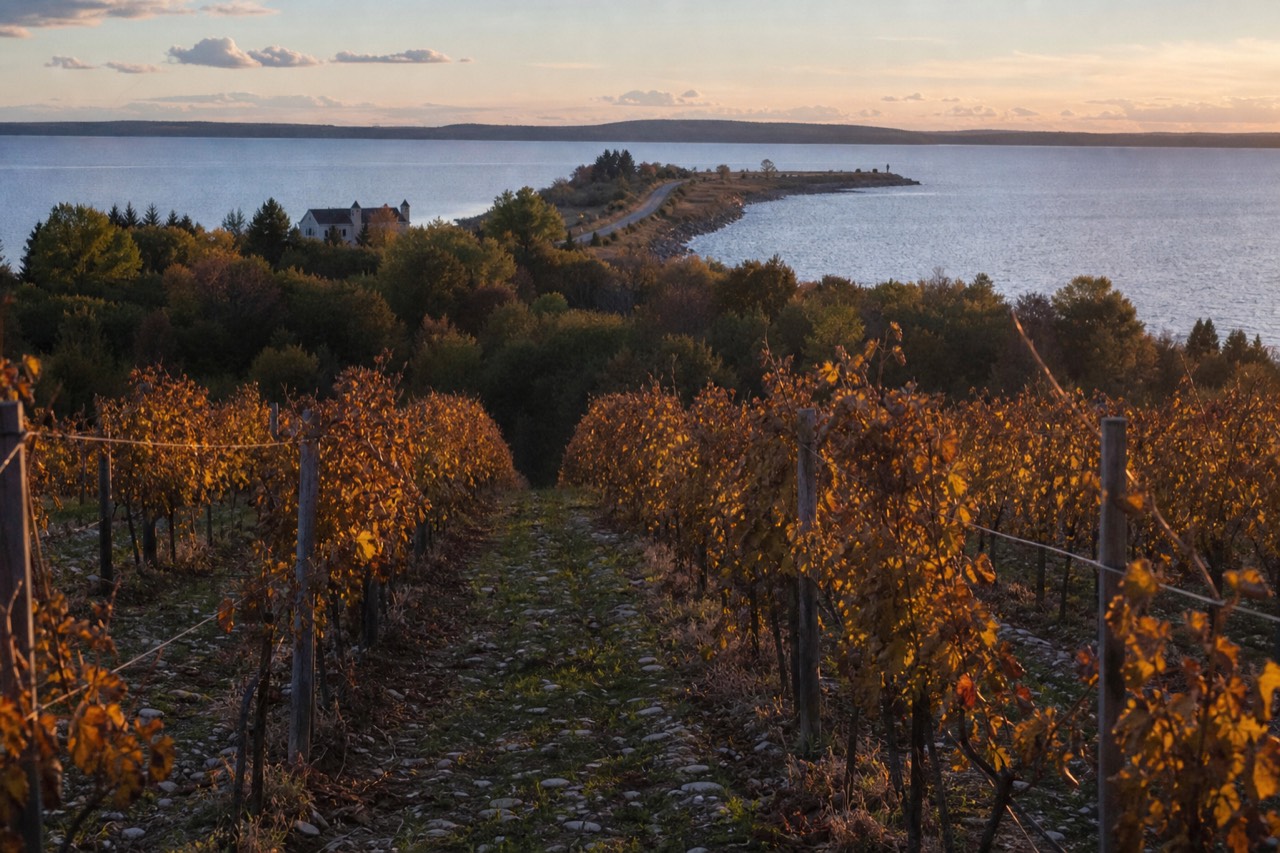
What Are Some Hidden Gems In Traverse City?
What Are Some Hidden Gems In Traverse City?
The honest shortlist from the wine-country side: Left Foot Charley, the urban winery inside Traverse City that most visitors drive past on the way to the peninsulas; the small Leelanau rooms like Two K Farms and Soul Squeeze Cellars; the Suttons Bay side of Black Star Farms; Camp Greilick, a 200-acre park that reopened in December 2025 after nearly ten years closed; and the Boardman-Ottaway riverfront, where the FishPass project is reshaping downtown's least-visited stretch.
Traverse City is not an undiscovered town. Annual tourism spending across the four-county region passed $1.14 billion, per figures Traverse City Tourism presented at its 2026 annual meeting, and Cherry Capital Airport handled 935,816 passengers in 2025, a third consecutive record year. The crowds are real, and in October they concentrate hard on a handful of famous tasting rooms.
But the record numbers also explain why the hidden gems matter. When a destination grows that fast, the gap between the ten wineries everybody names and the twenty-odd rooms nobody mentions gets wider every season. This page works from the wine-country side of that gap: the small rooms rather than the famous ones, the back roads, the beach nobody parks at, and the corners of town that changed recently enough that most guide pages have not caught up.
Which Tasting Rooms Do Visitors Drive Past On The Way To The Peninsulas?
The biggest miss is Left Foot Charley, an urban winery operating inside Traverse City itself, in the old village at the base of the Old Mission Peninsula. It is the one working winery most visitors can walk or short-drive to from downtown, and it anchors a tour route that starts in the city before crossing onto Leelanau.
Left Foot Charley sits where most itineraries begin rather than where they go. Visitors heading north out of downtown toward Old Mission pass within minutes of it, and the majority keep driving. That is a shame, because the winery's whole identity is built on being urban: a working production winery in a repurposed municipal building, close enough to downtown that it pairs naturally with a meal rather than a full peninsula day. It is also the anchor of one of the newer tour routes in the region, which starts there and then heads onto the Leelanau Peninsula for the rest of the run. The tour is a recent addition to the roster, so no reviews are published yet, and it runs four and a half hours from $199 per person.
The pattern repeats across the region. The famous rooms, Chateau Chantal, Bowers Harbor, Brys Estate, Bonobo and Mari Vineyards on Old Mission, Black Star Farms and Shady Lane on Leelanau, appear on nearly every itinerary. The Leelanau Peninsula Wine Trail lists 23 member wineries, and the quieter half of that list, names like Two K Farms, Soul Squeeze Cellars, Green Bird Organic Cellars and Laurentide Winery, rarely make a bus schedule. Two K Farms in Suttons Bay was even named Winery of the Year at the 2026 Great Lakes Winemaker Challenge, and it still reads as a hidden gem to most visitors because the award sits outside the usual travel-press loop.
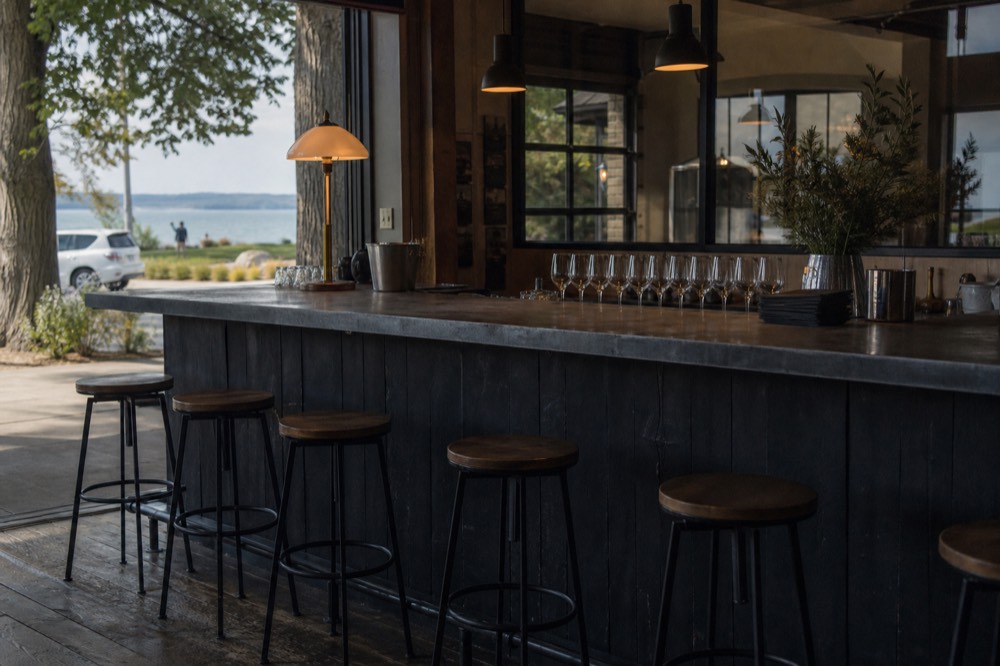
The vehicle you choose shapes which rooms you actually see. A shared shuttle carrying up to 20 people has to book stops that can absorb a bus; a semi-private SUV with pickup included can slot into smaller rooms and quieter hours. If the small rooms are the goal, start with the format comparison in how to choose a wine tour transport, which breaks down the shuttle-versus-SUV split in detail.
The table below pairs each hidden room with the obvious one it hides behind:
| Area | The obvious stop | The hidden alternative |
|---|---|---|
| Downtown Traverse City | No winery at all, visitors leave town | Left Foot Charley, the urban winery at the base of Old Mission |
| Leelanau, Suttons Bay | Black Star Farms' main campus | Two K Farms, 2026 Winery of the Year at the Great Lakes Winemaker Challenge |
| Leelanau, the quiet loop | Shady Lane Cellars | Soul Squeeze Cellars, Green Bird Organic Cellars, Laurentide Winery |
| Leelanau, Lake Leelanau | Leelanau Cellars | Bel Lago and French Valley Vineyard, the latter the 2026 Governor's Cup Best of Show winner |
| Old Mission | Chateau Chantal | Hawthorne Vineyards, a regular on itineraries but rarely the headline |
Where Are The Quiet Hours At The Busy Wineries?
If you cannot avoid the famous rooms, go when the shuttles do not. Black Star Farms publishes its own hours, and its Suttons Bay tasting room runs 11am to 6pm Sunday through Thursday and 11am to 8pm Friday and Saturday, with its Old Mission room closing an hour earlier on weekends. Midweek mornings, before the first shuttle wave, are the quietest windows at rooms across both peninsulas.
Hours change seasonally, so treat those as the operator's published schedule rather than a permanent fact and re-read the room's own page before you plan around them. But the structure is stable: weekend afternoons are when the shared tours land, and the difference between a Saturday at 2pm and a Tuesday at 11:30am at the same winery is the difference between a bar three deep and a conversation with the pourer.
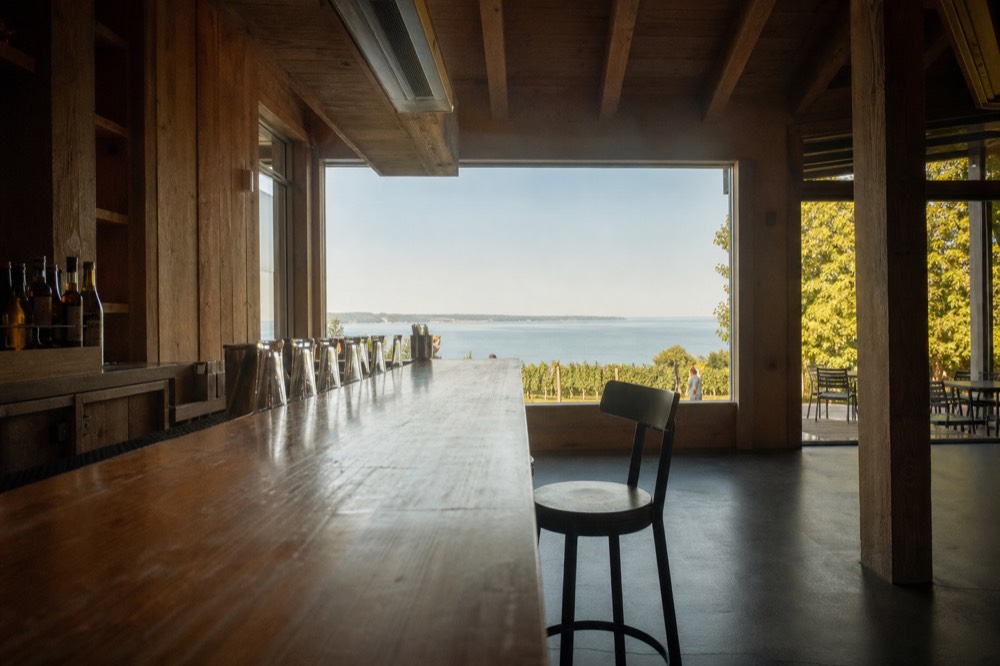
There is a second, less obvious quiet play: the evening. The Magic Shuttle Bus runs a sunset version of the Old Mission loop, three wineries over four hours from $74 per person, and the evening hours at those same rooms are noticeably calmer than midday. Tasting fees of about $5 to $10 per stop are paid at the bar on that run. The sunset format is covered in full in the guide to sunset wine tours, including which operators include samples in the fare and which do not.
| Timing | What it is like | Best fit |
|---|---|---|
| Tuesday or Wednesday, late morning | Quietest; shuttles have not landed yet | Small rooms, first visits, anyone who wants to talk wine |
| Saturday, early afternoon | Peak; harvest season makes it shoulder-to-shoulder | Only if a group experience is the point |
| Friday or Saturday evening | Calming down; sunset tours arrive but numbers are lower | Sunset stops, dinner-adjacent tastings |
| Midweek in shoulder season | Quiet even at famous rooms | Anyone flexible on dates |
What Changed Recently That Guide Pages Have Not Caught Up With?
Three things: Camp Greilick, a 200-acre former Boy Scout camp near Traverse City, reopened to the public in December 2025 after nearly ten years closed, with trails and disc golf; the FishPass project on the Boardman-Ottaway River entered its final construction phase in June 2026; and Bonobo Winery has been opening an off-site tasting room and sushi bar with Dojo Sushi at 115 Franklin Street in downtown Traverse City, targeting a July 2026 opening.
Camp Greilick is the purest hidden gem on this list, a genuinely large park that was simply inaccessible for a decade, so no established guide page mentions it. It has trails and disc golf, and it costs nothing. For a wine-country visitor it makes a good morning before an afternoon run up the peninsula.
FishPass matters for a different reason. The project on the Boardman-Ottaway River in Traverse City entered its final construction phase in June 2026, with in-river work wrapping up, upland features and a research building to follow, and full completion targeted for 2027. The downtown riverfront is being rebuilt around it, and the stretch along the river is the part of downtown that day-trippers walking Front Street never see. It is a short walk from where the wine tours depart.
The Bonobo downtown room is the wine-country item. An Old Mission winery opening an off-site tasting room and sushi bar in partnership with Dojo Sushi at 115 Franklin Street, with indoor seating for 25 to 30 and outdoor space looking over Grand Traverse Bay, changes the downtown evening: for the first time in years there is a winery pour within walking distance of the restaurants. The city approved the permits in 2025, covering an off-premises tasting room licence, Sunday sales, entertainment and outdoor service, and the venture targeted a July 2026 grand opening. Pair it with Left Foot Charley and downtown becomes a two-room wine walk, which is the seed of an idea covered more fully in walking wine trails in Michigan.
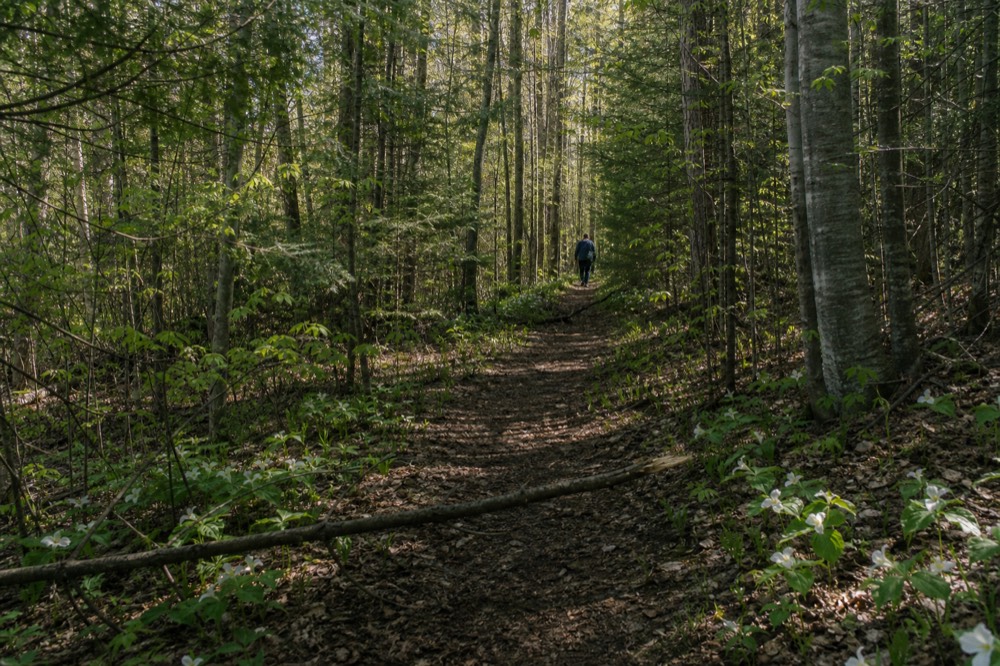
One more recent change sits out on Old Mission: Mari Vineyards is building an on-site bed and breakfast overlooking the vineyards and East Grand Traverse Bay, scheduled to open in late 2026 alongside the winery's tenth-anniversary year. It is not open yet, so do not plan a stay around it, but it signals where the peninsula is heading, toward staying overnight among the vines rather than day-tripping out and back. The region's two winery inns already rank nationally, and that story is told in the guide to wineries with views.
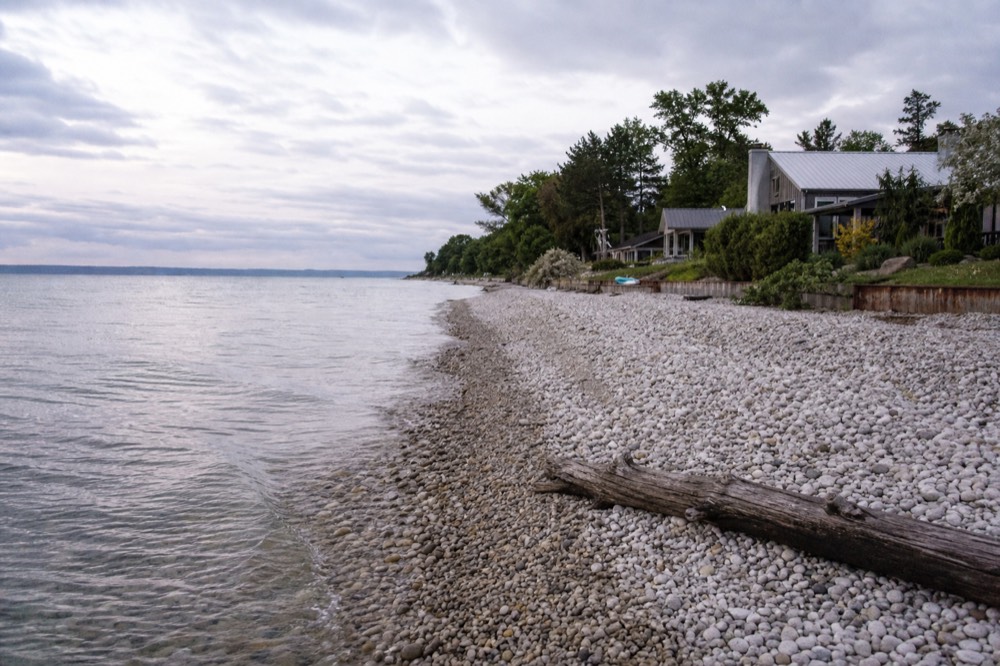
Which Back Roads And Beaches Does Everyone Skip?
On Old Mission, the peninsula is no more than three miles wide at any point and runs roughly 19 miles north from town, so every back road is minutes from the main spine, Center Road, and the side roads down to the water carry almost no wine traffic. On Leelanau, the quietest driving is on the loops off M-22.
The geography does the work here. Because Old Mission is a narrow finger, you are never more than a mile and a half from water on either side, and the roads that drop to the bays, Peninsula Drive on the west, Bluff Road on the east ridge, are where the tour buses do not go. The same logic applies on Leelanau, where M-22 hogs the postcards but the interior loops between Suttons Bay, Lake Leelanau and Cedar hold the farms, cideries and small rooms. A self-guided day built around those roads is laid out step by step in planning a self-guided wine tour.
One practical note for anyone driving their own car: Michigan's open-container law, MCL 257.624a, bans open alcohol in a vehicle's passenger area, and the exception for passengers applies only in a chartered vehicle authorized by the state transportation department. A hired designated driver at the wheel of your own car cannot rely on it. That distinction, and what it means for how you structure a day, is explained in the transport guide.
There is also a car-free hidden gem that almost nobody uses: BATA, the regional bus authority, publishes its own guide to reaching wineries and beaches by bus. It is not a wine tour, it is public transit, but for a budget day or a single winery visit it is the cheapest access in the region, and the budget guide covers how it fits alongside the paid tours.
For travelers who want the quiet side without driving at all, two of the smaller-format tours fit the brief well. The non-bus Leelanau run from Movie Stars Wine Tours takes an SUV through four and a half hours of the peninsula from $69 per person, with samples included plus a complimentary bottle, and pickup included; it carries only a handful of reviews so far, too few for a star claim. And the bike-and-wine format is the hiddenest product in the roster: a private Old Mission ride for up to two with a support vehicle along, $199 covering two riders, 4.5 hours. It is the only tour in the region where the back roads are the whole point.
The Left Foot Charley route deserves its own mention because it solves the hidden-gem problem structurally. Rather than asking a first-time visitor to find the urban winery on their own, it starts there, in Traverse City, and then crosses onto Leelanau for the rest of the route, so the city stop is guaranteed rather than skipped. Run by Movie Stars Wine Tours, it is a new listing with no reviews published yet, and it sits at the $199-per-person tier.
How Do You Build A Hidden-Gems Day Around Wine Country?
Start in the city, not the peninsula: Left Foot Charley or the Bonobo downtown room first, before the tasting rooms open or after they close. Then pick one peninsula, not both, and commit to its quiet half, the Suttons Bay side on Leelanau or the side roads on Old Mission. Book a small-vehicle or private tour rather than a shared shuttle, go midweek if you can, and leave one unscheduled hour for the water.
The single biggest mistake visitors make is treating the two peninsulas as one day. They are two separate AVAs with separate wine trails, ten wineries on Old Mission and 23 members on Leelanau, and a day split between them becomes a driving day with three famous stops. A hidden-gems day does the opposite: one peninsula, the small rooms, and time actually spent at each. The full comparison, including which AVA is older and why it matters, is in Old Mission versus Leelanau.
A sample structure, using only places confirmed in the region's own materials: a morning walk on the Boardman riverfront while downtown is quiet; Left Foot Charley as the first pour; then a semi-private SUV run into Leelanau's small rooms, with Two K Farms and the Lake Leelanau cluster as the targets; and an evening pour back downtown. Total tasting spend stays modest, since the semi-private format includes samples in the fare, and the only extras are flights and food at the bar. For anyone pricing the options, the fee-inclusion breakdown by operator is in the wine tour prices guide.
That is the real definition of a hidden gem in a place this busy: not a secret, because nothing is secret in a region drawing record airport traffic, but a good thing sitting one decision away from the obvious plan. Traverse City Wine Tours exists to make that one decision easier, and the quiet side of the region rewards it more every year.
The short answers: the urban winery inside the city, the small Leelanau rooms, Camp Greilick, the riverfront and the peninsulas' back roads, with midweek mornings the quietest time to enjoy any of them.
Common Questions About Hidden Gems In Traverse City
What Are Some Hidden Gems In Traverse City?
From the wine-country side: Left Foot Charley, the urban winery inside Traverse City; the small Leelanau rooms like Two K Farms, Soul Squeeze Cellars and Laurentide Winery; Camp Greilick, a 200-acre park that reopened in December 2025 after nearly ten years closed; the Boardman-Ottaway riverfront being rebuilt around the FishPass project; and the peninsulas' back roads and small shoreline accesses.
Is there a winery inside Traverse City itself?
Yes. Left Foot Charley is an urban winery operating in the city, at the base of the Old Mission Peninsula, and Bonobo Winery has been opening an off-site tasting room and sushi bar with Dojo Sushi at 115 Franklin Street downtown, targeting a July 2026 opening. Between them, downtown now has a wine walk it never had before.
What is the best time of day to avoid wine tour crowds?
Midweek late morning, before the first shuttle wave lands, is the quietest window at most rooms. Evenings are the second-quietest option, and shoulder-season weekdays are calm even at the famous wineries. Black Star Farms publishes its own hours, 11am to 6pm Sunday to Thursday at Suttons Bay, with longer weekend hours, so check the room's page before planning around them.
Are the small Leelanau wineries worth visiting over the famous ones?
Often yes. Two K Farms in Suttons Bay was named Winery of the Year at the 2026 Great Lakes Winemaker Challenge, and French Valley Vineyard took Best of Show at the 2026 Taste Michigan Governor's Cup, both small Leelanau rooms. The famous stops are famous for a reason, but the awards keep landing on the quieter half of the trail.
Can you reach Traverse City wineries without a car?
Yes, several ways. Semi-private SUV tours include pickup, the shared shuttle tours run scheduled routes, and BATA, the regional bus authority, publishes its own guide to reaching wineries by public bus. The bike-and-wine tour on Old Mission, private for up to two with a support vehicle, is another car-free format.
What new things opened in Traverse City recently?
Camp Greilick, a 200-acre park with trails and disc golf, reopened to the public in December 2025 after nearly ten years closed. The FishPass riverfront project entered its final construction phase in June 2026, with completion targeted for 2027. On Old Mission, Mari Vineyards is building an on-site bed and breakfast scheduled to open in late 2026.