Leelanau Peninsula Wine Trail: Planning A Day Among 23 Wineries
The Leelanau Peninsula wine trail is the bigger, older, more sprawling of Traverse City's two wine regions, and it cannot be done in a day. This guide is about choosing a segment and doing it properly.
Short answer
The Leelanau Peninsula wine trail lists 23 member wineries across an AVA established in 1982, five years before Old Mission. Tastings generally run $5 to $15 per winery. Most visitors pick one segment, the Suttons Bay cluster, the Lake Leelanau middle, or the Leland end, and visit three or four wineries.
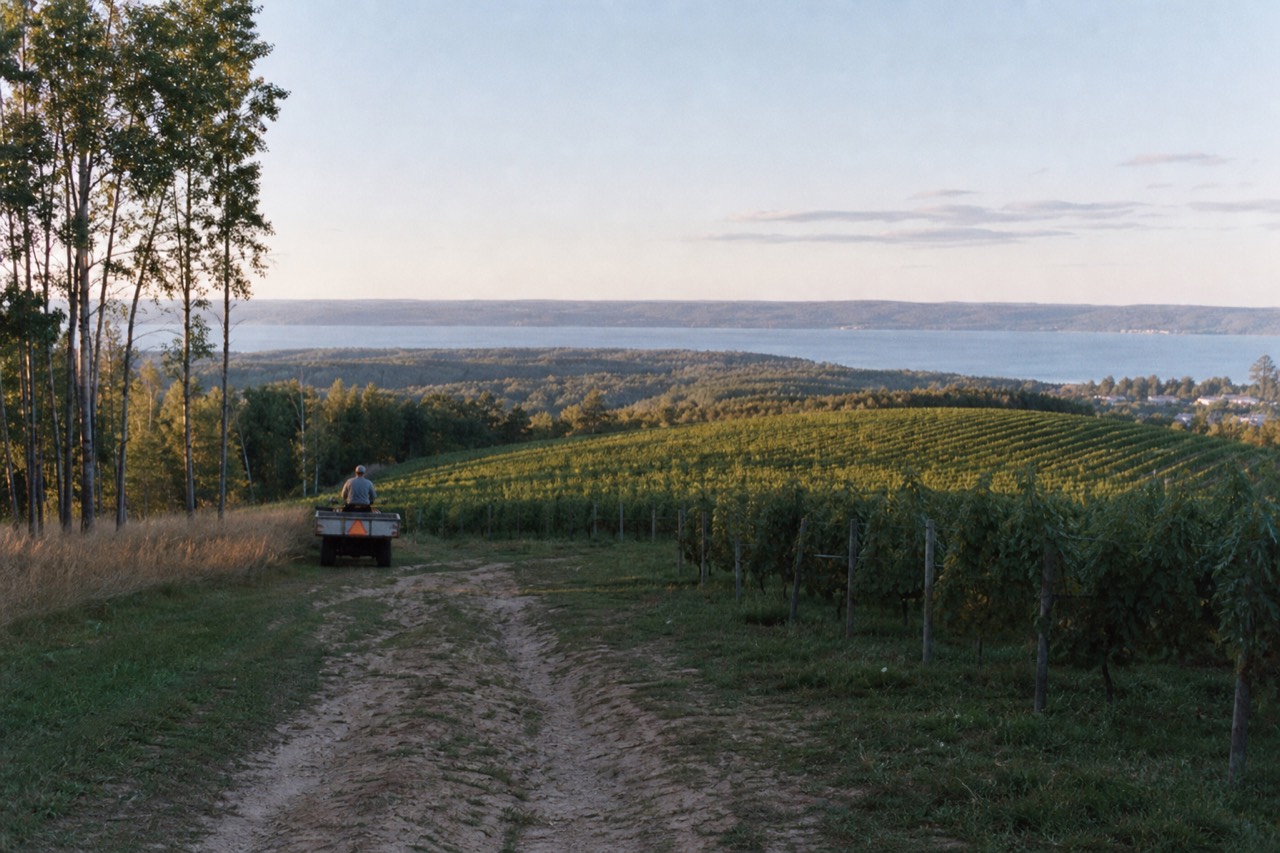
The Leelanau Peninsula wine trail is the longer loop, and that single fact shapes every plan you can make for it. Where Old Mission is one narrow township with ten wineries strung along a single road, Leelanau is an entire county: 23 member wineries on the trail's own list, spread across three natural clusters, with Lake Michigan on one side and Grand Traverse Bay on the other. Nobody does all of it in a day. The people who enjoy Leelanau most are the ones who chose a piece of it.
This guide walks through what the trail actually is, how it differs from its neighbour across the bay, which segment suits which kind of visitor, and what a realistic day costs. Along the way it covers the tasting-fee structure, the ferry news at the northern end, and the guided options if you would rather not drive.
What Is The Leelanau Peninsula Wine Trail?
The Leelanau Peninsula wine trail is the marketing and visitor body for the wineries of Leelanau County, Michigan, publishing a shared map, events calendar and member list for 23 wineries inside the Leelanau Peninsula AVA, a federally recognized wine-growing region established on 30 March 1982 under regulation 27 CFR 9.40.
The trail is run by the wineries themselves. Its site, lpwines.com, is the closest thing the region has to an official visitor resource for wine touring on this side of the bay, and it publishes the member list, the event calendar and the seasonal programmes that anchor most people's trips. The boundary of the AVA behind it is unusually simple to state, because the regulation states it simply: all of Leelanau County, excluding the offshore islands. That is a county-wide boundary, unlike Old Mission's, which is drawn around a single township.
What that means in practice is scale. The regulation establishing Leelanau was signed in March 1982, making this one of Michigan's first federally recognized viticultural areas and five years older than Old Mission, which was established in June 1987. The older AVA had decades of head start on plantings, and today the trail's own member page lists 23 wineries, counted directly from the live list. The trail's homepage describes itself more loosely as "over 20 award winning wineries," which is the phrasing to keep in mind when you see third-party counts that differ.
If you are weighing the two peninsulas against each other, our Old Mission versus Leelanau comparison breaks the choice down by pace, price and scenery, and the Old Mission Peninsula wine trail guide covers the smaller loop in the same detail.
How Many Wineries Are On The Trail, Really?
The trail's own member page lists 23 wineries, though the trail markets itself as "over 20," and published third-party counts range higher still. The honest answer is that the count depends on what you are counting: trail membership, licensed producers, or tasting rooms, and the trail's own 23 is the only number the trail stands behind.
The disagreement is worth understanding rather than papering over. Eater Detroit has reported Leelanau at 23 and Old Mission at 11. Travel + Leisure, which branded the two peninsulas the "Traverse Wine Coast" in November 2025, put Leelanau at 28. Other outlets say 25 or more. None of these are wrong so much as measuring different things: a winery can be a licensed producer without joining the trail, can operate a tasting room in town rather than at the vineyard, or can appear on both trails at once.
That last case matters here. Black Star Farms appears on both the Leelanau and Old Mission trails, because it operates a Suttons Bay estate on Leelanau and also pours on Old Mission. Anyone adding the two trails together to get a "wineries near Traverse City" total will double-count it. Our how many wineries are near Traverse City piece goes deeper on why the counts never agree.
For planning purposes, treat 23 as your working number and expect to visit three or four of them in a day. That is what a well-paced Leelanau day actually holds.
The three guided Leelanau options above span the formats worth knowing: a shared shuttle run, a semi-private SUV tour with tastings included, and an evening private option. Which one fits depends mostly on how much of the driving, booking and fee-paying you want handled for you, which the cost section below covers in full.
How Is Leelanau Different From Old Mission?
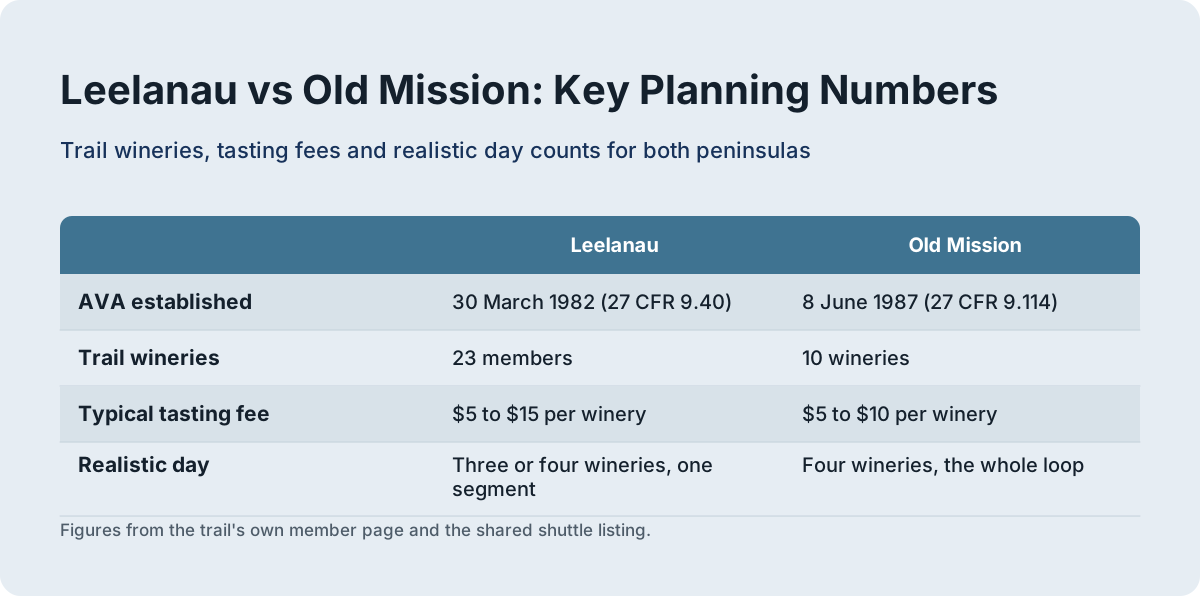
Leelanau is bigger, older and more spread out: an AVA established 30 March 1982 against Old Mission's 8 June 1987, a county-wide boundary against a single township, and 23 trail wineries against Old Mission's ten. The practical consequence is that Old Mission is a loop you can complete, while Leelanau is a region you sample.
The contrast is easiest to see side by side:
| Leelanau Peninsula | Old Mission Peninsula | |
|---|---|---|
| AVA established | 30 March 1982 (27 CFR 9.40) | 8 June 1987 (27 CFR 9.114) |
| Boundary | All of Leelanau County, excluding offshore islands | Peninsula Township plus a small part of Traverse City Township |
| Trail wineries | 23 members | 10 wineries |
| Geography | A full county, three natural clusters | A peninsula no more than 3 miles wide, about 19 miles long |
| Typical tasting fee | $5 to $15 per winery | $5 to $10 per winery |
| Realistic day | Three or four wineries, one segment | Four wineries, the whole loop |
The tasting-fee difference is real and worth budgeting for. The shared Leelanau shuttle listing publishes a per-tasting range of $5 to $15 at the wineries, against $5 to $10 on its Old Mission run, and those fees sit outside the ticket on the shuttle products. Over four stops, that gap adds up.
There is a character difference too, and it follows from the geography. Old Mission feels like a single thread: one road, one view axis, wineries never far from each other. Leelanau feels like a small wine country. You pass through Suttons Bay, then Lake Leelanau, then orchard and forest country, and the wineries arrive in clusters rather than a line. The wine country map guide lays out the full geography if you want to see both peninsulas in one picture.
Which Segment Of The Trail Should You Choose?
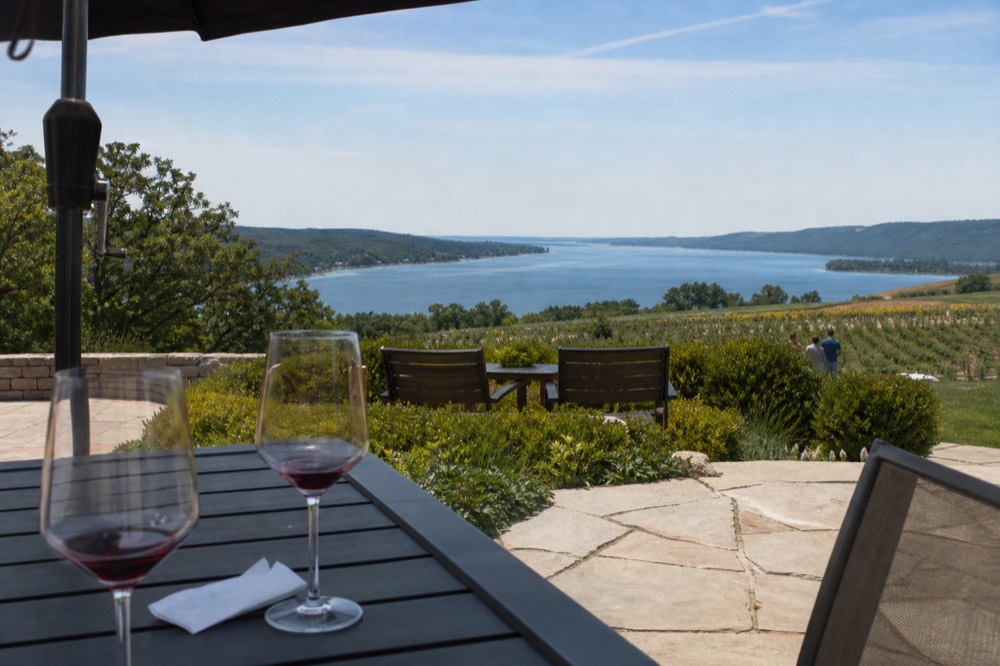
Most visitors choose one of three segments: the Suttons Bay cluster closest to Traverse City, the Lake Leelanau middle where most of the member wineries sit, or the northern Leland end near Fishtown and Sleeping Bear. Pick by drive tolerance and by whether you want the region's best-known estates or its most scenic towns.
The segment decision is the single biggest planning choice you will make, because the segments are far enough apart that switching mid-day costs you an hour of tasting time.
| Segment | What it is known for | Who it suits |
|---|---|---|
| Suttons Bay cluster | The closest concentration to Traverse City, anchored by Black Star Farms at 10844 E Revold Road; the easiest first-timer segment | Anyone on a tight schedule or basing a half-day trip out of town |
| Lake Leelanau middle | The densest stretch of the trail, where most of the 23 members pour; wine-first days with less driving between stops | Visitors whose main goal is tasting breadth |
| Northern Leland end | The most scenic towns, Fishtown and the approach to Sleeping Bear Dunes, with wineries scattered between | Visitors pairing wine with the coastline and photography |
The Suttons Bay cluster is the gentlest introduction. Black Star Farms pours at Suttons Bay, and its tasting-room hours run 11am to 6pm Sunday to Thursday and 11am to 8pm Friday to Saturday, hours the winery publishes itself. Because the cluster is nearest town, it is the segment that fits a half day, and it is where the guided tours concentrate.
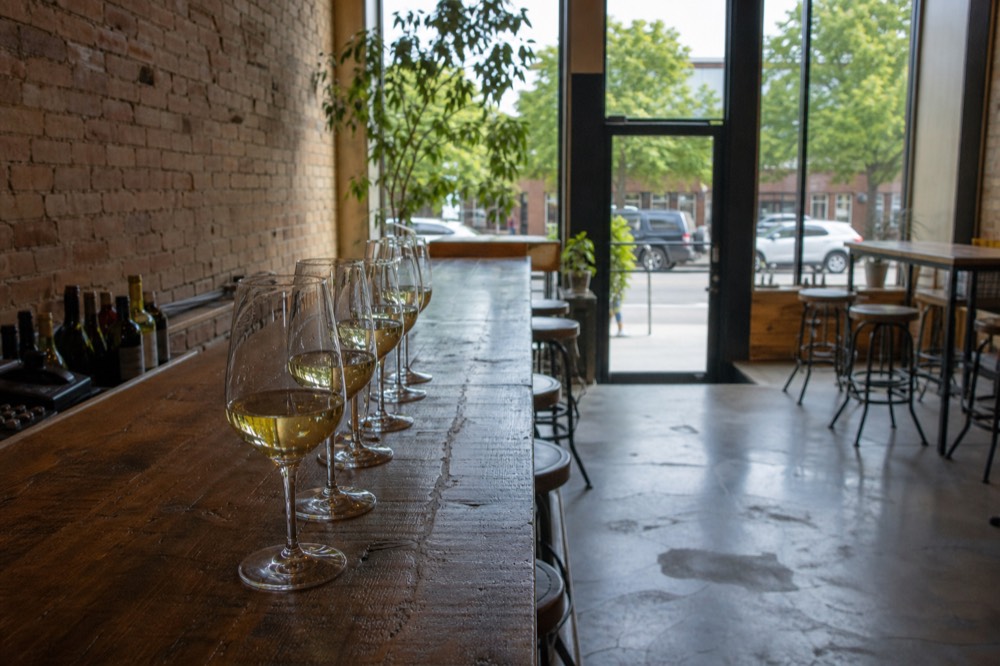
The Lake Leelanau middle is where the trail earns its reputation for density. This is the stretch where a slow afternoon can move between half a dozen tasting rooms without ever driving more than a few minutes, and it rewards visitors who book nothing and wander. The shared shuttle run operated by The Magic Shuttle Bus covers three estates in five hours with appointments arranged ahead at each stop, from $79 per person, rated 4.9 across 427 reviews. Tasting fees are paid at the wineries and are not part of the ticket.
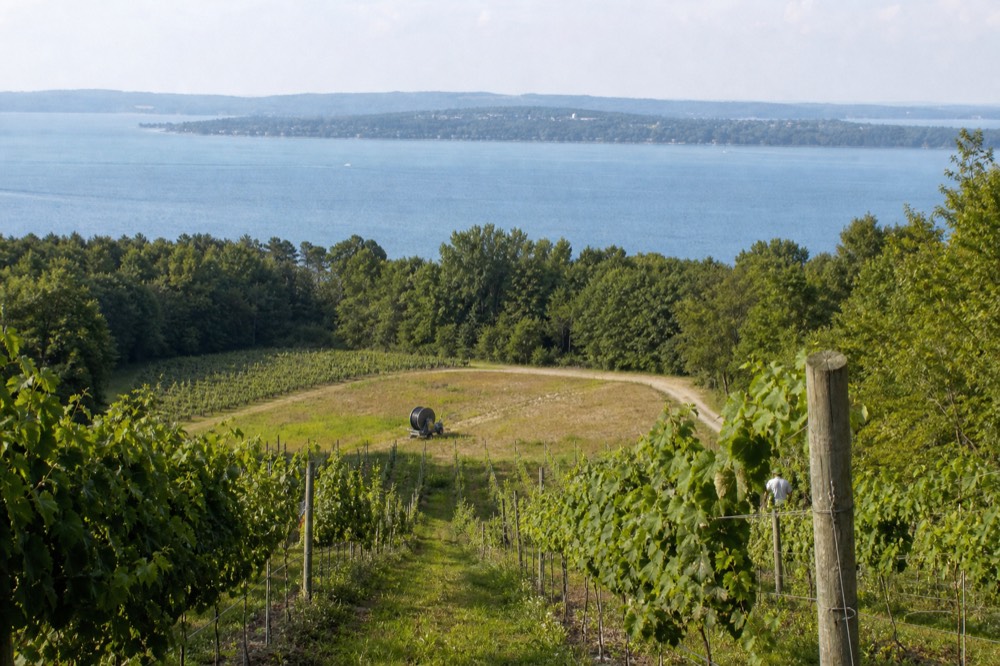
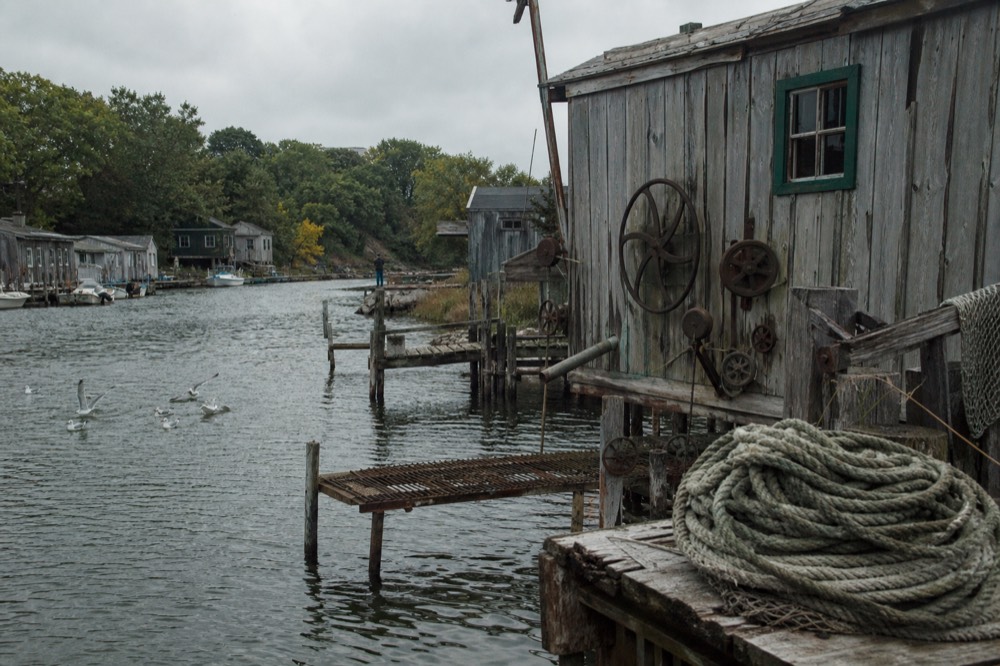
The northern end is the segment for people whose day is half wine and half landscape. Leland's Historic Fishtown, the shanty-lined working dock on the Leland River, sits minutes from tasting rooms, and the Sleeping Bear Dunes National Lakeshore begins just beyond. It is the longest drive from Traverse City and the most memorable scenery, and the ferry note in the section below affects how a day here can end.
What Does A Day On The Leelanau Trail Cost?
Budget roughly $70 to $120 per person for a self-driven day: tastings at $5 to $15 per winery across three or four stops, plus lunch and fuel. Guided options run from $69 per person for a semi-private SUV tour with samples included, to $79 for the shared shuttle with fees paid separately, to $199 per person for the private sunset format.
The fee structure is the part most first-time visitors get wrong, because the two main operators price completely differently:
| Operator | Vehicle | Are tastings in the fare? | What you still pay at the bar |
|---|---|---|---|
| The Magic Shuttle Bus | Scheduled limo-style shuttle | No, transport only | $5 to $15 per tasting on Leelanau, from the operator's own published list |
| Movie Stars Wine Tours | SUV or Cadillac Escalade | Yes, samples plus a complimentary bottle | Flights and food only |
| Bay Life Getaways | A hired driver in your own car | No | Every pour, at every stop |
This distinction is the sharpest one in the Traverse City market and almost nobody publishes it. A $79 shuttle ticket and a $69 SUV ticket look nearly identical until you notice that the SUV fare includes your samples at each stop plus a bottle to take home, while the shuttle fare is transport only, with every tasting paid at the bar. Add four Leelanau tastings at the published range and the two products converge in real cost, which is the honest way to compare them. Our wine tour prices guide runs the full arithmetic across the whole roster.
A planning-range budget for a self-driven day looks like this:
| Item | Planning range |
|---|---|
| Tastings, 3-4 stops | $15 to $60 per person |
| Lunch or a snack stop | $15 to $30 per person |
| Fuel for the loop | $15 to $25 per group |
| Bottles, if you buy | Entirely your call |
The trail also runs its own value programmes, which are worth checking on the events page before you plan. The LP Harvest Club ran through September at $75 per person, covering a complimentary flight, tasting or glass at each participating winery plus 15 percent off bottle purchases, Saturdays excluded. For a visitor hitting enough stops, a programme like that can undercut the per-tasting arithmetic entirely. More budget tactics are in our wine country on a budget guide.
The non-bus Leelanau option operated by Movie Stars Wine Tours is the clearest illustration of the all-inclusive model: four and a half hours in an SUV from $69 per person, with samples and a complimentary bottle in the fare and flights and food extra. It carries only a small number of reviews so far, too few to support a star rating, but the format is the same one that earns top marks on its Old Mission runs.
What About The Leland End And The Manitou Islands?
Leland anchors the northern segment with Historic Fishtown and a cluster of tasting rooms, but the ferry to North and South Manitou islands ran no service at all in the 2026 season because the National Park Service closed both island docks for reconstruction, with service expected to resume in 2027. Do not build a day around the ferry.
This is the single most out-of-date thing on most competing Leelanau pages. Manitou Island Transit, the operator, states on its own site that there was no 2026 ferry season because the National Park Service closed both docks for reconstruction with no safe docking location, and that service is expected back in 2027. Plenty of travel content still tells you to hop the ferry. As of now, that trip does not exist, and a plan built around it collapses.
The good news is that the northern segment loses little. Fishtown itself, the historic fishing shanties along the Leland River, is free to wander and genuinely working, and the Fishtown Preservation Society has bought the Van Raalte House next door to convert into its permanent headquarters. The drive out from Traverse City, along M-22 through Suttons Bay and north, is the scenery people come to Leelanau for in the first place.
If your day pairs wine with the coastline, plan the northern segment as a one-directional route: Traverse City to Suttons Bay, tasting stops through the middle, Leland and Fishtown as the turnaround, and the return drive straight down the bay. Trying to fold Sleeping Bear Dunes into the same day as four wineries is where most itineraries break; the dunes deserve their own morning. Our is Leland worth visiting piece covers the town on its own terms.
When Is The Best Time Of Day And Season For The Trail?
Tasting rooms are busiest in October, when harvest and fall colour overlap, and the peninsulas hold their colour later than inland Michigan because the bay moderates the air. For a calmer visit, weekday mornings in September or late May through June offer the same pours with thinner crowds, and evening formats let you taste into sunset.
The October peak is real and worth planning around. Harvest runs mid to late September through October, tasting rooms fill, and the fall-colour traffic on M-22 compounds it. Traverse City Tourism's own guidance is that peak colour in the Grand Traverse region typically arrives between early and mid October, with the peninsulas lingering to the end of the month because air off Lake Michigan keeps them insulated. That same moderating effect is, not coincidentally, why grapes grow here at all.
The trail's calendar also shifts what a visit looks like. Toast the Season, the Leelanau trail's signature November event, runs over two weekends with small pours, food pairings and cork cash at participating wineries, and the winter months bring their own quieter rhythm. Our best time for wine tasting guide covers the full seasonal calendar, and the winter wine tasting guide handles the cold-weather version.
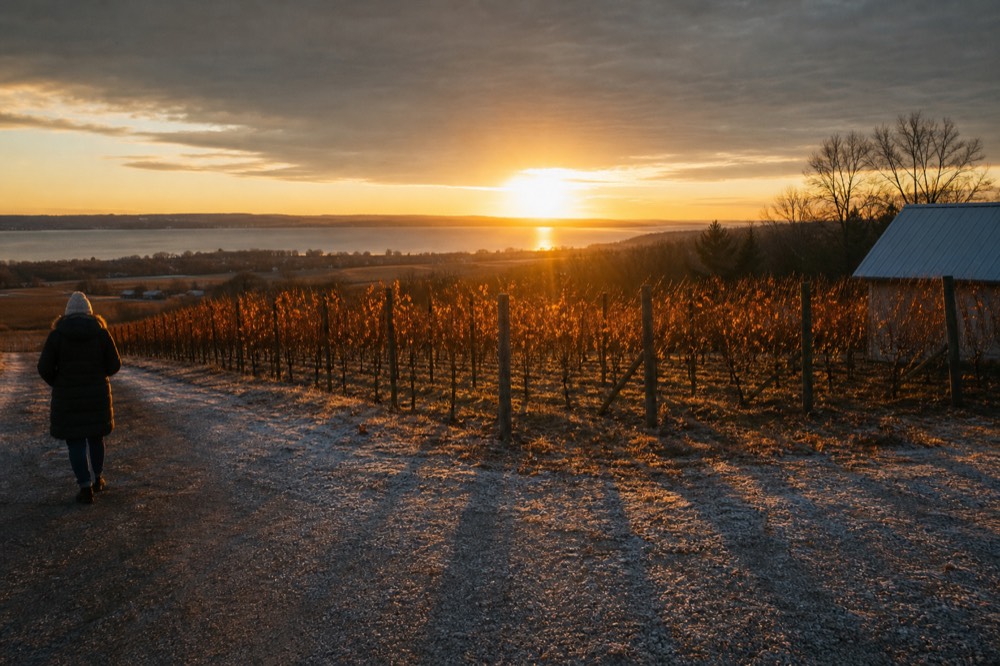
Time of day matters almost as much as season. Leaning into the evening is a genuine format here rather than a gimmick: the sunset Leelanau tour run by Movie Stars Wine Tours covers four and a half hours in the later part of the day, from $199 per person, with a private option available. It carries only a couple of reviews so far, too few for a star claim, but it is the only evening-format Leelanau product on the roster and it sits at the top of the peninsula's price range for a reason: it buys you the light.
Should You Take A Tour Or Drive Yourself?
Drive yourself if you want full control of pace and stops, accepting that whoever drives cannot taste freely; take a chartered tour if you want to taste at every stop, since Michigan's open-container law exempts passengers in state-authorized chartered vehicles but not a private car. The legal line between the two is sharper than most visitors assume.
The law here is specific. Michigan's open-container statute, MCL 257.624a, bans open alcohol in the passenger area of a vehicle, a misdemeanour, but subsection (4) exempts "a passenger in a chartered vehicle authorized to operate by the state transportation department." That exemption is exactly why the shuttle and SUV operators can advertise drinking on board. It does not extend to your own car, which matters if you are weighing a hired designated driver: the drive-your-own-car product from Bay Life Getaways, from $369 per group for five hours, puts a professional at your wheel, but the open-container ban still applies to the passenger area of your vehicle. The chartered products and the drive-your-car product are legally different things, and the wine tour transport guide explains the full landscape.
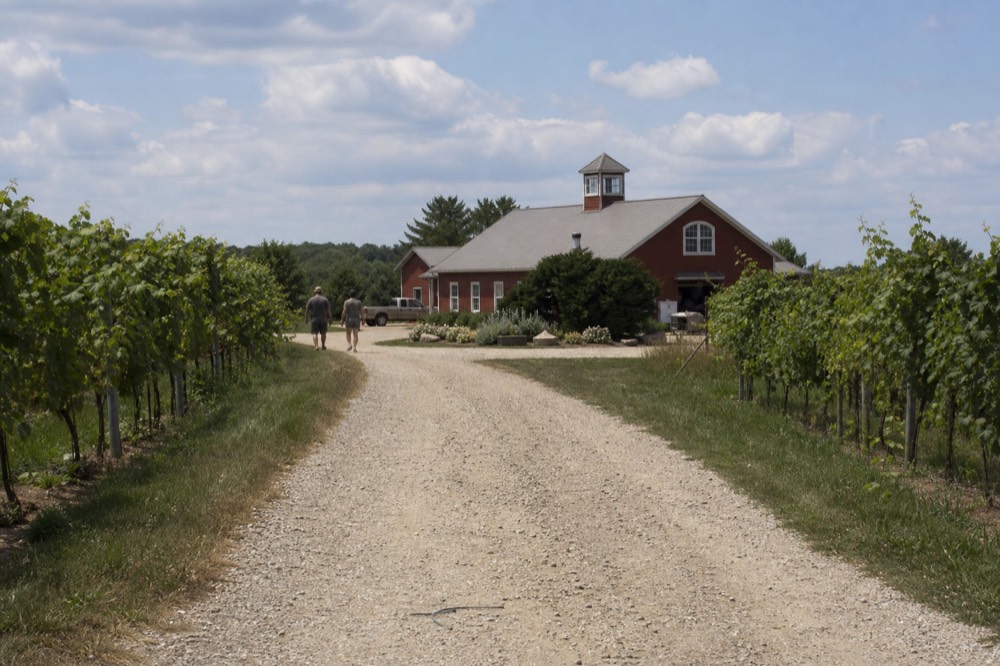
Here is how the main Leelanau formats stack up:
| Format | Operator | Duration | From-price | Tastings |
|---|---|---|---|---|
| Shared shuttle | The Magic Shuttle Bus | 5 hours | $79 per person | Extra, $5-$15 per stop |
| Semi-private SUV | Movie Stars Wine Tours | 4.5 hours | $69 per person | Included, plus a bottle |
| Evening private option | Movie Stars Wine Tours | 4.5 hours | $199 per person | Included |
| Self-drive | You | Your call | Fuel plus fees | You pay as you go |
One more wrinkle for the self-drivers: Left Foot Charley, the urban winery in Traverse City, anchors a route that starts in town before crossing onto the peninsula, and a dedicated tour built around it runs four and a half hours from $199 per person. It is a new listing with no reviews published yet, so there is no rating to report, but the concept, urban winery first, peninsula after, suits anyone staying downtown without a car for the first stretch.
How Do You Plan A One-Day Leelanau Itinerary?
Pick one segment, book two anchor appointments for late morning and mid afternoon, leave the middle stop open, and cap the day at three or four wineries. A realistic Leelanau day runs from about 11am to 5pm, and the itineraries that fail are the ones that try to cross the whole county.
A sample day on the Suttons Bay and Lake Leelanau segments, the combination most first-timers should choose:
| Time | Stop | Notes |
|---|---|---|
| 10:30am | Drive out from Traverse City | Straight up the bay side |
| 11:00am | First tasting, Suttons Bay cluster | Book ahead in October |
| 12:30pm | Lunch in Suttons Bay | Several options on the water |
| 2:00pm | Second tasting, Lake Leelanau middle | The densest stretch |
| 3:30pm | Third tasting, same cluster | Keep it flexible |
| 5:00pm | Head back | Or stay for an evening pour |
Two rules keep this working. First, appointments beat walk-ins on summer and fall weekends, and the shuttle operator's own listings note that it arranges appointments rather than full reservations at the wineries, which tells you how the rooms manage capacity. Second, stop at three or four. Every stop past the fourth costs you more in driving and palate fatigue than it gives back in wine.
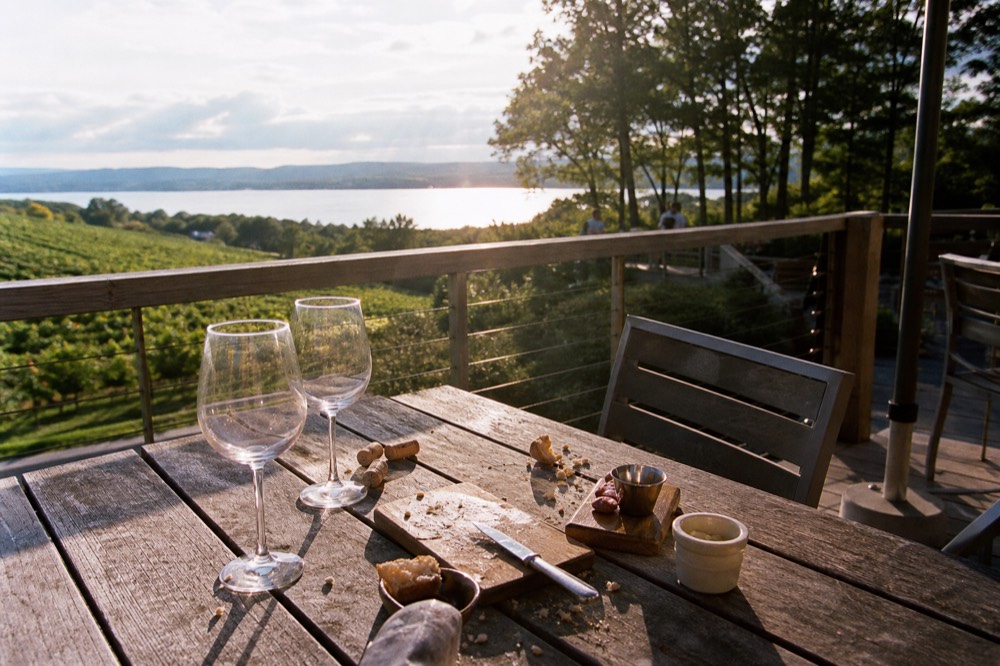
If you would rather hand the whole structure to someone who runs it daily, the guided options cover the appointments, the route and the road, and Traverse City Wine Tours keeps the full Leelanau roster with live pricing on the listing side. The self-guided wine tour guide is the counterpart for drivers who want the independence.
These are the questions visitors ask most about the Leelanau Peninsula wine trail, answered with the trail's own published numbers: 23 member wineries, tastings from $5 to $15, and a realistic day built around one of the three segments rather than the whole county.
Common Questions About The Leelanau Peninsula Wine Trail
How many wineries are on the Leelanau Peninsula wine trail?
The trail's own member page lists 23 wineries. The trail markets itself as "over 20 award winning wineries," and third-party counts run higher because they count licensed producers and tasting rooms rather than trail membership. Use 23 as your planning number.
Can you do the whole Leelanau wine trail in one day?
No. The AVA covers all of Leelanau County, and the 23 member wineries sit in clusters separated by real driving time. A well-paced day covers three or four wineries in one segment, such as Suttons Bay, the Lake Leelanau middle, or the Leland end.
How much are tastings on the Leelanau Peninsula wine trail?
Tastings generally run $5 to $15 per winery, the range the shared Leelanau shuttle listing publishes. On shuttle products the fees are extra and paid at each winery; on the Movie Stars SUV tours the samples and a complimentary bottle are included in the fare.
Is Leelanau or Old Mission better for a first visit?
Old Mission is easier to complete: ten wineries on one narrow peninsula, a single loop. Leelanau is bigger, older as an AVA and more varied, but it demands a segment choice. First-timers with a half day usually do better on Old Mission; anyone with a full day who enjoys driving tends to prefer Leelanau.
Can you drink on the tour vehicle on Leelanau?
On the chartered shuttle and SUV tours, yes, because Michigan's open-container law exempts passengers in state-authorized chartered vehicles. In your own car, including with a hired designated driver, the open-container ban still applies to the passenger area.
When is the Leelanau wine trail busiest?
October, when harvest and fall colour overlap. The peninsulas tend to hold their colour later than inland Michigan because the bay moderates the air. Weekday mornings in September or early summer offer the same tastings with far thinner crowds.